
Why Social Media Isn't Your Biggest Challenge
If you're leading a sport organization, you've probably felt it.
You know social media matters. It's one of the most effective ways to connect with members, celebrate athletes, engage volunteers, attract sponsors, and tell your organization's story.
The problem isn't recognizing its value. The problem is finding the time.
For many sport organizations, social media becomes another responsibility added to an already full workload. Sometimes it's assigned to a volunteer. Sometimes it's shared among staff. Sometimes it simply becomes something everyone intends to do … but no one truly owns.
The result is familiar: inconsistent posting, reactive content, and missed opportunities to engage your community.
The solution isn't necessarily hiring another employee. It's building a system.
Too often, organizations start by asking, "Who can manage our social media?"
A better question is: "What role should social media play in our overall communications strategy?"
Social media should never exist in isolation. It should support your organization's broader marketing and communications goals, reinforce your brand, strengthen relationships with members and stakeholders, and create value for sponsors.
With the right strategy, clear responsibilities, and a repeatable content plan, social media can absolutely be managed successfully – even with limited budgets and small teams.
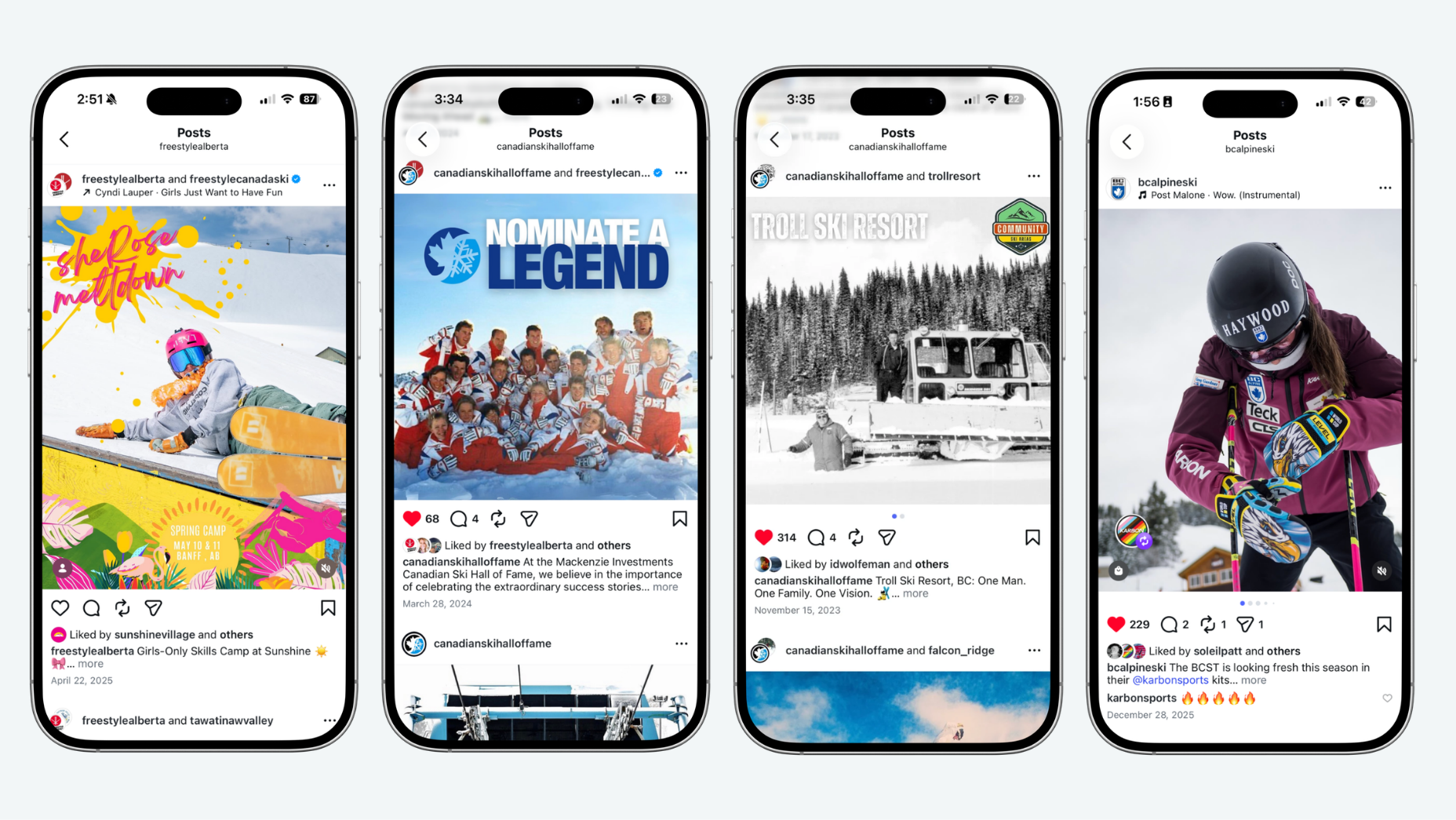
We've seen this firsthand through our work with organizations including BC Alpine, Freestyle Alberta and the Canadian Ski Hall of Fame & Museum. Every organization is different, but one thing remains consistent: when strong systems are in place, social media becomes far more manageable—and far more effective.
At The Sport Bureau, we don't simply manage social media. We help organizations build the communications systems that make it sustainable.
See how we've helped sport organizations strengthen their communications and digital presence.
Explore our case studies and discover what's possible.